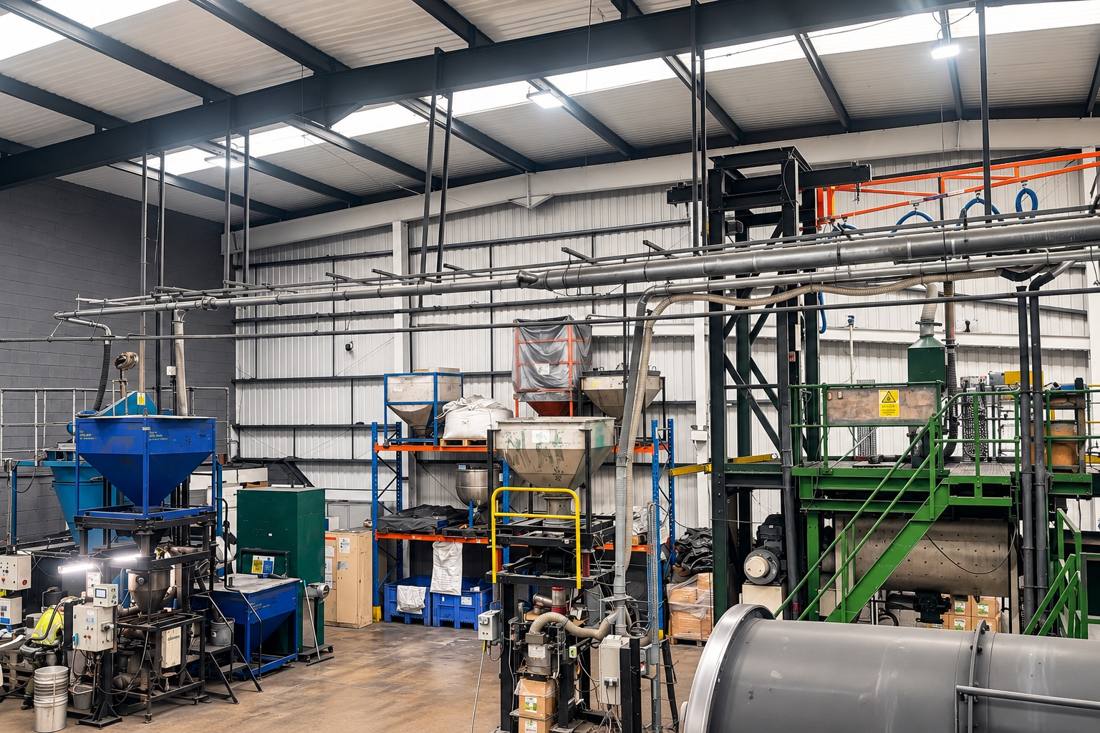
If you manufacture or market agrochemical products, there is a good chance you have come across the terms contract manufacturing and toll manufacturing. Both involve outsourcing production to a third party, but they split cost, control and responsibility in different places. Choosing the right model affects everything from raw material procurement to intellectual property protection, so it pays to understand how each one works before committing. Agrochemical contract manufacturing is one route, but it is not the only one.
This article explains the practical differences between the two models, outlines when each tends to be the right fit, and looks at the broader benefits of outsourcing chemical production.
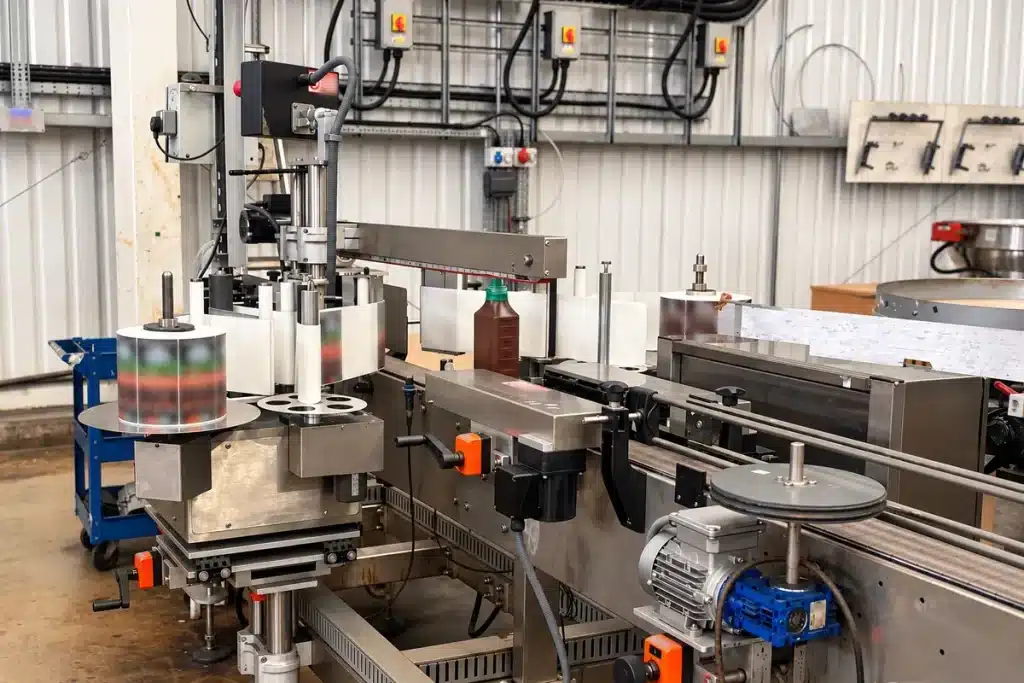
What Is Contract Manufacturing for Agrochemicals?
Contract manufacturing is a production arrangement where the manufacturer takes on a broad scope of responsibility. The manufacturer typically sources raw materials, carries out blending or processing, and delivers a finished, packed product to the client. The client provides the formulation or product specification, but the manufacturer handles procurement, production planning and often packaging.
For agrochemical businesses, this can mean handing over the entire production chain for a liquid fertiliser, a suspension concentrate or a powder blend. The manufacturer buys the inputs, processes them according to the agreed specification and ships finished goods ready for distribution.
Because the manufacturer sources and owns the raw materials until the finished product is delivered, pricing is usually structured as a per-unit cost for the finished goods. That single price covers materials, processing, quality control and packing.
What Is Toll Manufacturing?
Toll manufacturing is a narrower arrangement. The client supplies the raw materials and retains ownership of them throughout the production process. The toll manufacturer provides the equipment, facilities and labour to process those materials into a finished or semi-finished product. The client then pays a processing fee for the work carried out.
In the agrochemical sector, toll manufacturing is common where a business already has established supplier relationships for active ingredients or carriers and wants to keep direct control over input quality and cost. The toll manufacturer blends, fills or packs the product to specification, but the client manages the formulation and material supply.
Because the client owns the materials, working capital stays tied up in inventory. However, the client also retains tighter control over ingredient sourcing and can negotiate raw material prices independently.
Key Differences at a Glance
| Factor | Contract Manufacturing | Toll Manufacturing |
|---|---|---|
| Raw material sourcing | Manufacturer sources materials | Client supplies materials |
| Material ownership | Manufacturer owns until delivery | Client retains ownership throughout |
| Pricing structure | Per-unit finished product price | Processing fee for the service |
| Formulation control | Often shared or manufacturer-led | Typically client-led |
| Raw material cost risk | Carried by manufacturer | Carried by client |
| Typical use case | New product launches, full outsourcing | Proprietary formulations, existing supplier links |
When Contract Manufacturing Fits
Contract manufacturing tends to suit agrochemical businesses that want to minimise the operational burden of managing their own procurement and production scheduling. If you are launching a new product and need a partner who can take it from formulation through to packed, labelled supply, this model reduces the number of moving parts you need to manage.
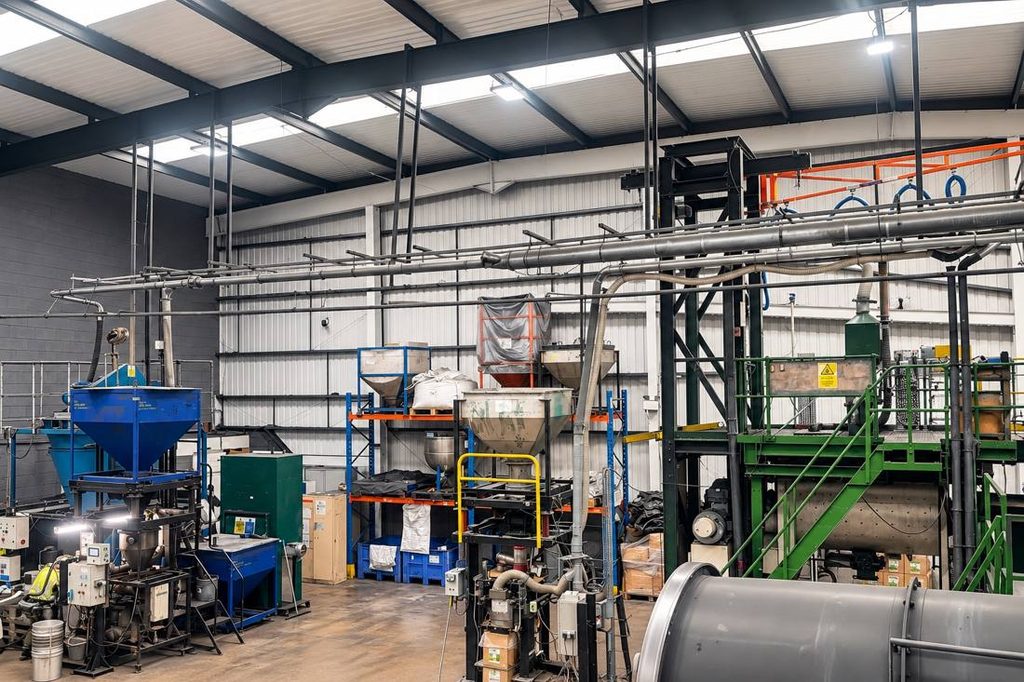
It also works well when you lack established raw material supplier relationships in a particular chemistry area. The manufacturer’s existing procurement networks and bulk purchasing can simplify your supply chain and reduce lead times. Grotech Production, for example, offers contract manufacturing services covering liquid blending, powder blending and granule production, handling the process from raw material intake through to finished goods ready for dispatch.
Businesses scaling up from laboratory development to commercial volumes often find contract manufacturing practical. Rather than investing in equipment and facilities, they can use an experienced manufacturer’s existing infrastructure and technical expertise to reach market more quickly.
When Toll Manufacturing Fits
Toll manufacturing suits businesses that already have strong supplier relationships and want to retain direct control over raw material quality, cost and sourcing. If you have negotiated favourable terms with ingredient suppliers, toll processing lets you keep those commercial arrangements intact while outsourcing the physical production.
This model is also a natural fit when intellectual property protection is a priority. Because you supply the materials and own the product throughout, the toll manufacturer’s involvement is limited to the processing step. The formulation detail you share can be more tightly managed.
Agrochemical companies that need additional capacity during seasonal peaks frequently use toll manufacturing. Rather than investing in plant and equipment that sits idle for part of the year, they can access a toll manufacturer’s liquid blending or filling lines when demand spikes, paying only for the processing work carried out.
Benefits of Outsourcing Agrochemical Manufacturing
Regardless of whether you choose contract or toll manufacturing, outsourcing production to a capable partner offers several practical advantages for agrochemical businesses.
Reduced capital expenditure. Building and maintaining a chemical production facility requires significant investment in equipment, safety systems, environmental controls and regulatory compliance. Outsourcing lets you avoid that upfront cost and redirect capital toward product development, sales or market expansion.
Access to specialist capabilities. An experienced chemical manufacturer brings process knowledge, analytical equipment and handling expertise that can take years to build in-house. For products involving viscous liquids, corrosive substances or hygroscopic powders, that specialist experience reduces the risk of production problems. Grotech Production operates an ISO 9001:2015 certified facility with in-house analytical services, providing quality control across every batch.
Flexibility in production volume. Agrochemical demand is seasonal. A manufacturing partner that can scale production up or down without lengthy lead times helps you respond to market conditions without carrying excess capacity. Whether the requirement is a 10-tonne trial batch or a full-scale commercial run, outsourced manufacturing adapts to your schedule.
Faster time to market. Working with a manufacturer that already has the right equipment, regulatory compliance and technical know-how means your product can reach the market sooner. There is no need to commission new facilities or recruit a production team. According to the SOCMA 2025 Contract Manufacturing Outlook Report, access to established capacity and specialist expertise remains a primary driver for outsourcing decisions in the chemical sector.
Regulatory and compliance support. Navigating UK REACH, CLP labelling requirements and ADR transport regulations adds complexity to agrochemical production. A manufacturer with sector experience handles these obligations as standard, reducing the compliance burden on your team.
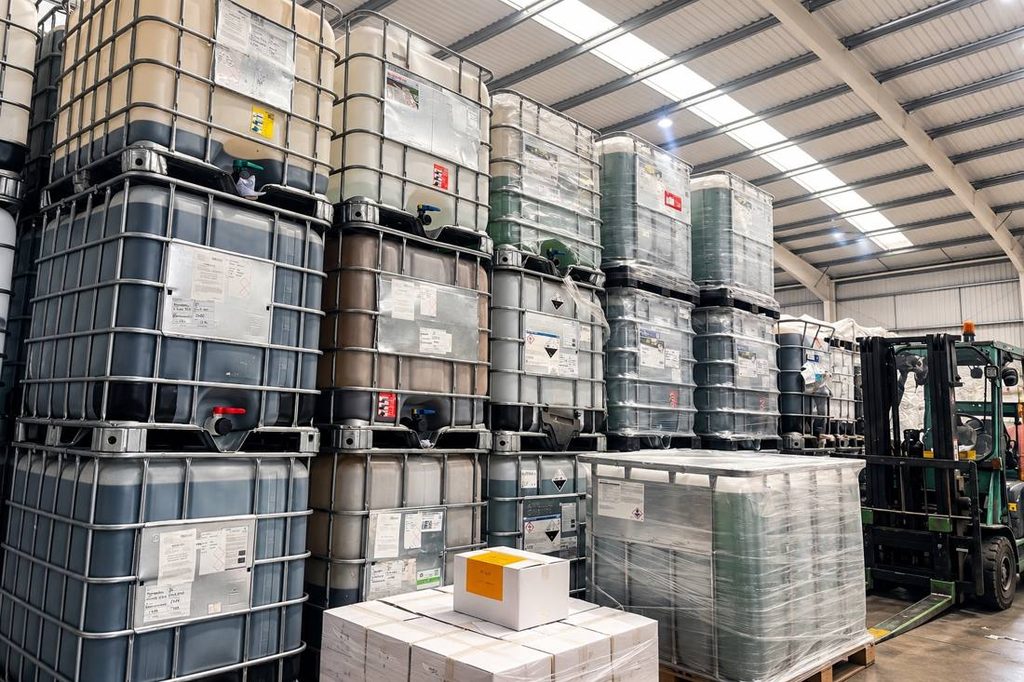
Choosing the Right Model for Your Business
The decision between contract manufacturing and toll manufacturing is not about which model is objectively superior. It depends on where your business sits today and what you need from a production partner.
If you want a single point of responsibility for sourcing, blending, filling, packing and distribution, contract manufacturing simplifies your operations. If you want to retain control over raw material procurement and pay only for processing, toll manufacturing keeps you closer to the production detail.
Many agrochemical businesses use both models at different stages. A new product might start under a contract manufacturing arrangement while the formulation is being refined and supplier relationships are established. Once the product matures and the business has its own supply chain in place, it may shift to a toll manufacturing model to reduce per-unit cost while retaining quality control.
What to Look for in an Agrochemical Manufacturing Partner
Whichever model you choose, the quality of the manufacturing partner matters more than the label you put on the arrangement. Here are the practical factors to consider.
Sector experience. A manufacturer with a track record in agrochemical production will understand the regulatory landscape, material handling requirements and seasonal production patterns specific to this sector. Grotech Production has over 40 years of experience in agrochemical manufacturing, working across liquids, powders and granules for clients ranging from multinational crop input suppliers to early-stage agri-input innovators.
Confidentiality. Your formulation is your intellectual property. A manufacturing partner that produces no competing product range of its own removes the risk of a conflict of interest. Grotech manufactures exclusively for its clients and holds no competing product lines, ensuring your formulations, customer relationships and brand remain protected.
Range of services. A partner offering liquid blending, powder blending, granule coating and impregnation, filling, packing, repacking, warehousing and distribution from a single site simplifies logistics and reduces the number of suppliers you need to manage.
Quality systems. Look for ISO 9001 certification, in-house analytical testing and traceable batch records. These are not optional extras in chemical manufacturing. They protect both you and your customers.
Sustainability credentials. If your procurement decisions are influenced by environmental targets, a manufacturer with demonstrable sustainability practices, such as on-site renewable energy, waste reduction programmes and organic certification, adds value beyond production.
FAQs
What is the main difference between contract manufacturing and toll manufacturing?
The main difference is who supplies and owns the raw materials. In contract manufacturing, the manufacturer sources and owns the materials until the finished product is delivered. In toll manufacturing, the client supplies the materials and retains ownership throughout. The client pays a processing fee rather than a per-unit product price.
Can you switch between contract and toll manufacturing?
Yes. Many agrochemical businesses start with contract manufacturing while establishing supplier relationships and then move to toll manufacturing once they have their own supply chain in place. The two models are not mutually exclusive, and a flexible manufacturing partner like Grotech Production can accommodate both.
Is toll manufacturing more cost-effective than contract manufacturing?
It depends on your situation. Toll manufacturing can reduce per-unit cost if you already have favourable raw material supply agreements, because you avoid the manufacturer’s margin on materials. Contract manufacturing can be more cost-effective when the manufacturer’s bulk purchasing power and procurement networks deliver lower input costs than you could achieve independently.
How does Grotech Production protect client formulations?
Grotech Production manufactures exclusively for its clients and holds no competing product range of its own. Non-disclosure agreements are standard, and the business operates under ISO 9001:2015 quality management with fully traceable batch records. This structure removes the risk of a conflict of interest and keeps your intellectual property confidential.
What types of agrochemical products can be outsourced to a contract or toll manufacturer?
Liquid fertilisers, suspension concentrates, emulsion concentrates, soluble powders, granule-based products, biostimulants and micronutrient blends are all commonly outsourced. Grotech Production handles liquids, powders and granules across these product types, from pilot-scale trial batches through to full commercial production runs.